

Are Equestrian Athletes Being Asked to Carry the Reputation of the Entire Sport?
Trust has always been one of the most valuable currencies in equestrian sport, but where that trust comes from, how it is formed, and who is expected to carry it has shifted dramatically. Authority no longer sits primarily with federations, rulebooks, or elite results. Instead, it increasingly flows through digital platforms shaped by algorithms, personality, and perceived accessibility.
At the centre of this shift is a growing imbalance. Equestrian athletes are now being asked, by default rather than design, to carry the reputational responsibility of the entire sport.
Modern sport no longer grows solely through competition. Across industries, audience connection is driven by storytelling, personality development, access, and consistent distribution. Fandom does not follow results alone. It follows identity, narrative, and proximity. When athlete visibility and distribution work together, trust compounds. When they do not, sports risk becoming invisible to the very audiences they need to retain.
How trust now forms online
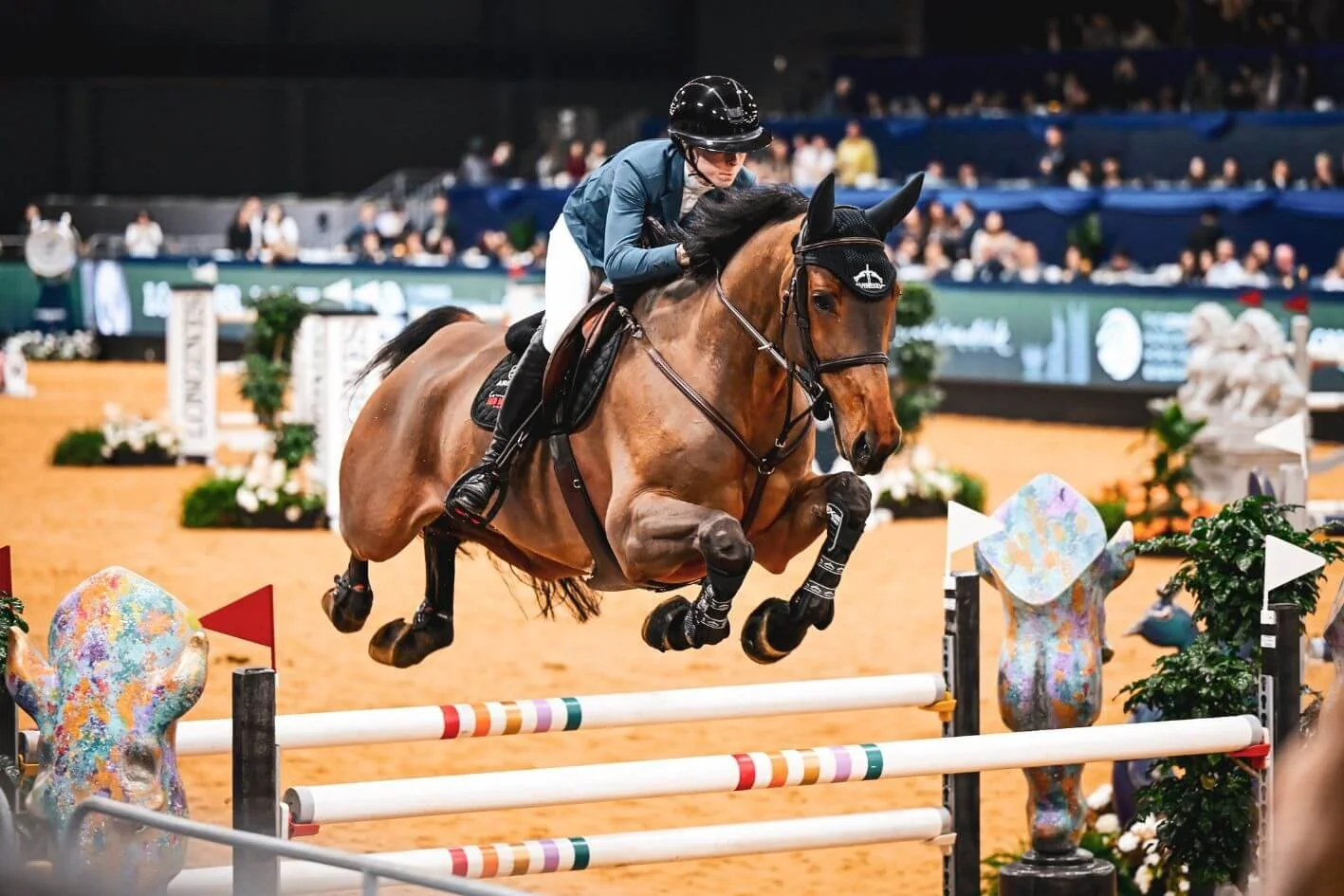
Visibility now concentrates around individuals rather than institutions.
Most equestrians are not professional riders, but horse lovers, recreational participants, parents, and casual sports fans who consume large volumes of equestrian content online. In this environment, trust is rarely built through formal qualifications or governance structures. Instead, it is shaped by visibility, consistency, and relatability.
Those who appear most frequently in social feeds and speak with confidence are often perceived as credible, regardless of institutional role. This reflects a wider shift across sport, where audiences increasingly build direct relationships with athletes long before they engage with leagues or governing bodies.
Algorithm-driven platforms accelerate this dynamic by rewarding clarity over nuance and repetition over context. Expertise becomes perceived rather than verified, and influence becomes a function of reach rather than accountability. Once belief is formed in these spaces, it directly impacts welfare understanding, education standards, and consumer behaviour. In short, trust increasingly travels through people, not systems.
Commercial stakeholders already recognise this shift, with sponsorship performance increasingly tied to athlete visibility and personality-led storytelling rather than results alone. In the Premier League, player accounts often generate multiple times the engagement of league accounts, yet institutional storytelling ensures narrative consistency. Without coordinated institutional distribution and analytics infrastructure, reputational and commercial responsibility shifts toward riders, who become both performers and primary media channels by default.
Accessibility, welfare, and the middle audience
There is a persistent fear within equestrian sport that increased visibility invites criticism. In practice, greater accessibility often strengthens welfare conversations rather than weakening them. When audiences see riders beyond competition moments, they also see management routines, decision-making, uncertainty, and responsibility, humanising both riders and horses and shifting welfare discussions away from polarisation and towards understanding.
The sport’s perception challenge is not primarily driven by its loudest critics, but by a large middle audience: people who are interested, open to learning, and willing to engage when given transparency and context. It is within this group that social licence is built or lost.
EQuerry Co’s audience research reflects this clearly. Just 14% of respondents reported full or strong trust in the Fédération Équestre Internationale to represent riders’ and horses’ best interests. When asked who should have more influence on rule changes, riders and athletes ranked highest at 49%, closely followed by veterinarians and welfare experts at 45%, while officials and federations trailed significantly behind at just 6%. Riders were also seen as the most credible source of educational insight at 33%, compared with 8% seeking education from equestrian influencers and only 4% from federations.
This trust gap is structural rather than ideological. Riders are visible, institutions are not. While creators are not the dominant source of learning, platform mechanics allow their narratives to travel faster through short-form content and algorithmic distribution. Without institutional content designed for these environments, layered policy decisions are quickly flattened into headline narratives.
This was evident during discussions surrounding the FEI rule change of Article 259. Reflecting on this dynamic, Francois Mathy Jr, President of the International Jumping Riders Club, observed:
“Most people never read the rule. They just take as reality whatever travels fastest on social media. There is very little search for truth, and a very strong search for clicks.”
His comment highlights a broader pattern. When policy enters public discourse without context, welfare education gives way to emotional framing. Pressure builds quickly, sometimes translating into regulatory intervention, where nuanced risk management is reframed as unethical practice. Misunderstanding drives pressure, pressure drives broad restrictions, and governing bodies are forced into reactive decision-making.
Riders as default narrators
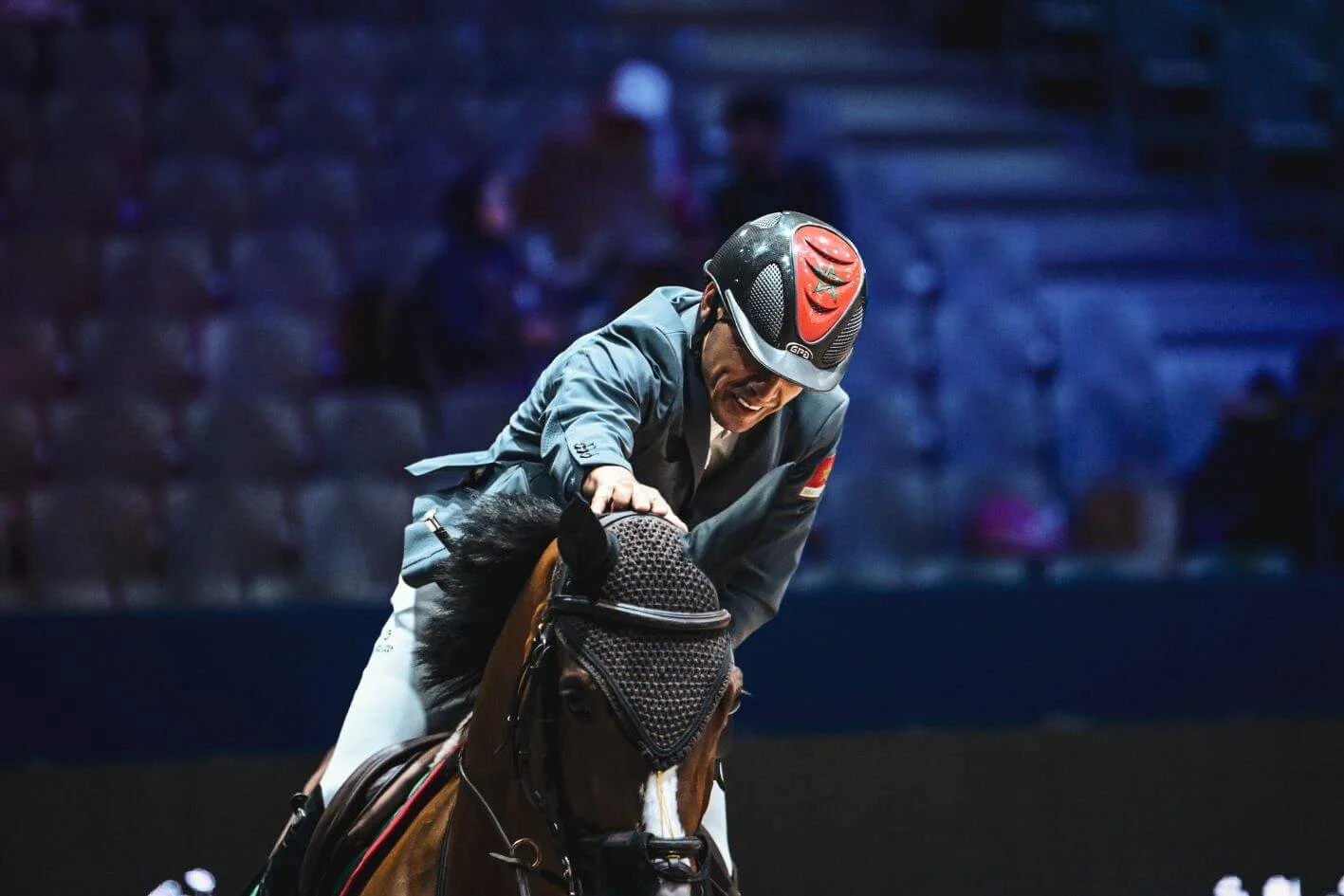
Riders are often expected to defend institutional decisions and support 'damage control'.
In this environment, riders become the narrators of the sport by default, not because they were appointed to be, but because official communications rarely reach audiences in the formats and channels where belief is now formed.
This creates an unsustainable expectation. Riders are increasingly asked to explain welfare standards, contextualise isolated imagery, respond to controversy, and defend institutional decisions in real time, despite lacking the infrastructure, time, or organisational support to communicate at scale.
As Mathy has noted, expecting riders to defend policy online is counterproductive. By the time controversy is trending, audiences are rarely open to nuance. Communication arrives too late, when the objective has already shifted from education to damage control.
The implication is structural, not personal. Riders are trusted more than institutions, yet institutions still hold formal authority.
Designing trust, not inheriting it
Equestrian sport does not communicate to a single audience. It speaks simultaneously to lifelong horse lovers, casual sports fans, welfare-conscious observers, digitally native young audiences, and commercial partners, each with different expectations and thresholds for trust. This complexity makes communication difficult, but clarity essential.
If belief continues to form without institutional guidance, the sport risks fragmented welfare narratives, misplaced blame, and declining credibility with the audiences that matter most. Equestrian athletes should not be asked to carry the reputation of the entire sport alone.
Trust is a shared responsibility. In the digital era, it must be designed deliberately, not inherited by default
Want the full story?
Read the complete feature “Are Equestrian Athletes Being Asked to Carry the Reputation of the Entire Sport?” for more information.
Stay ahead of the conversation: Subscribe to the EQuerry Newsletter for monthly analysis on equestrian industry trends, governance, and marketing innovation.