

Equestrian Business Trends for 2026: Five Predictions Backed by 2025 Data
As 2025 draws to a close, the equestrian industry stands more globally connected, commercially active, and creatively ambitious than ever before. Over the past year, we have tracked a wide range of data, including social media trends, investment flows, e-commerce shifts, brand partnerships, and emerging tech adoption. Together, these signals underbuild what we already know: This is an industry in motion, and equestrianism has firmly established itself as a mass-market sport and lifestyle sector. Looking ahead, we’ve distilled our findings into five strategic predictions for 2026, each backed by data and each designed to help brands navigate what comes next with clarity and confidence.
1. Market Expansion Will Redefine the Competitive Landscape
Across 2025, one of the most consistent signals we observed was the continued broadening of the equestrian industry’s reach geographically, commercially, and culturally. While the sector has long been anchored by mature markets in Western Europe and North America, that dominance is no longer absolute. Instead, what’s emerging is a more complex, multi-regional marketplace shaped by continuously evolving consumer behaviours, new points of entry into the sport, and the accelerating global flow of information, products, and expertise.
The expansion is being felt in multiple directions. In developing regions, interest in equestrianism is growing through sport, leisure, and lifestyle lenses simultaneously. This has led to a surge in demand for education, coaching, equipment, and content that caters to varying levels of experience and cultural context. In established markets, meanwhile, there’s increasing diversification of the equestrian audience itself, as new entrants with different priorities such as ethical sourcing, sustainable practices, and inclusive access, reshape how brands are expected to show up and serve.
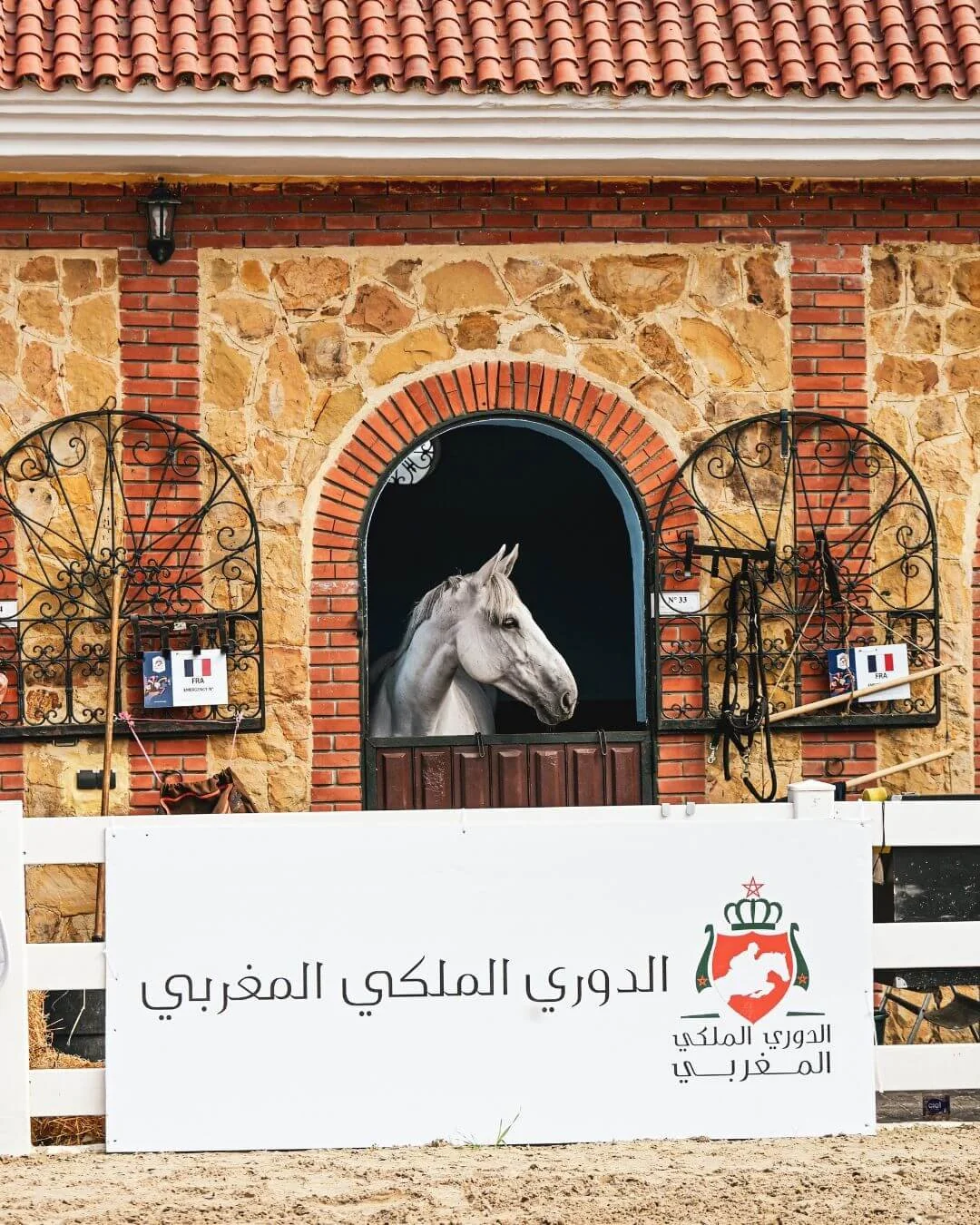
The growth of equestrian sport in developing regions will shape how brands present themselves to meet consumer needs,
One of the key developments underpinning this shift is the dismantling of logistical and informational barriers. It is now far easier for riders and consumers, regardless of geography, to access premium products, book international training, or watch competitions via livestream. E-commerce platforms are enabling cross-border purchasing at scale, while digital content is exposing new audiences to disciplines, brands, and formats they might not otherwise encounter. Riding styles, horsemanship philosophies, and consumer trends are converging in ways that would have seemed unlikely even a few years ago. The result is a more connected, pluralistic global equestrian culture.
For equestrian businesses, the implications of this broad-based market expansion are increasingly measurable. Across 2025, we’ve seen year-on-year growth in rider participation, online search volume for equestrian products, and digital platform usage across multiple regions - not just in emerging economies, but within core markets as well. This signals a rising level of baseline interest and commercial activity globally, even if the pace of change varies by region.
While not every business will see an immediate impact from market activity in a different continent, the broader effect is cumulative. As new riders enter the market worldwide across sport, leisure, and lifestyle, the industry begins to shift in how products are positioned, how marketing is delivered, and where influence originates. Even Western-based brands that primarily serve local customers are already competing in a digital ecosystem shaped by international trends, content formats, and consumer expectations.
This creates a strategic opportunity, but it also raises the bar: Visibility and trust, once built through in-person networks or national reach, now depend on multi-channel content, consistent brand identity, and relevance across varied audience groups. Being well-known in one geography or discipline is no longer sufficient. In 2026, brand credibility will be shaped by a combination of local authority and global fluency, meaning a rider in Berlin might discover a brand through a podcast made in Wellington, while a buyer in Toronto compares products through reviews from influencers based in Europe.
It’s important to clarify: This shift does not require brands to abandon their core customer base or heritage positioning. Instead, it requires an expanded strategic lens. Growth in 2026 is unlikely to come from any one market or trend; it will be cumulative, diversified, and incremental. Customers may enter through different verticals, some through competitive sport, others through wellness, recreational riding, travel, or even fashion, and brands that plan for these multiple gateways through adaptive messaging, flexible fulfilment, and intelligent use of digital content will be able to meet demand as it develops.
2. Digital & Tech Transformation Accelerates
The digitalisation of equestrian business, once a forward-leaning experiment, is now a commercial imperative. In 2025, here at EQuerry Co we have tracked a measurable shift in how riders, owners, and businesses engage with products, services, and each other. Digital-first commerce is now the norm, with the majority of equestrian consumers beginning their purchase journeys online. Search volumes for riding equipment, supplements, and training tools have continued to climb across the year, and mobile transactions increased in step. Social platforms, especially Instagram and TikTok, continue to double as storefronts, and for many brands, their highest-converting content lives not on product pages, but in behind-the-scenes reels, short-form tutorials, and integrated influencer campaigns.
In practical terms, this has redefined what equestrian retail looks like. With this, the barriers to entry have dropped, but expectations have risen, and consumers now expect intuitive shopping experiences, frictionless checkouts, and real-time responsiveness, no matter where they are or what discipline they ride. In 2026, brands without a well-optimised e-commerce infrastructure will struggle to keep up. Subscription-based models for feed, supplements, or training plans are no longer novel, but they’re expected, and the brands that win will be those that integrate sales, service, and story into every digital touchpoint.
Meanwhile, the equine technology sector is evolving from concept to category. Across veterinary care, performance monitoring, and welfare management, the rise of wearables, sensors, and smart diagnostics is reshaping horse ownership. In 2025, we saw increased adoption of digital health tools not just among elite riders, but in private yards and small barns. Tools that once felt futuristic, like video-based vet consultations or AI-assisted gait analysis, are becoming increasingly accessible. The equine healthcare market, projected to exceed $2.5 billion by 2026, reflects this shift in mindset: Evidence-based, data-informed care is being embraced as standard rather than specialist. We have seen that early-stage companies in equine AI, genetics, and remote monitoring have attracted fresh investor interest this year, pointing to an appetite for scalable, welfare-driven innovation.
The competition space is also becoming more digitally engaged, but not through new infrastructure so much as through sharper packaging, improved viewer tools, and increased awareness of expectations around access. The ability to stream major competitions is well established, and most high-level competitions are already streamed live, having made elite sport available globally for years. But in 2024, viewership reached new heights, particularly among mobile-first users and international audiences. That momentum carried into 2025, where the focus shifted even further from availability to experience. The key development is how viewers engage, and while the core sport remains the same, the broadcast environment around it is evolving rapidly, driven by what audiences now expect from other sports. In disciplines like tennis, F1, or golf, fans have access to instant stats, dynamic visuals, and second-screen experiences. Equestrian sport is beginning to follow suit.
Looking ahead to 2026, we expect further growth in mobile-first access, smarter ad integration, and greater use of rider-specific insights to build narratives that engage viewers beyond the immediate competition window. For sponsors, this will open up new inventory, from branded content, embedded product moments, and interactive ad formats that extend beyond traditional arena signage. And for organisers, the opportunity lies in creating a broadcast layer that connects audiences emotionally and commercially, without compromising the integrity of the sport.
3. Content Quality and Channel Strategy Recalibrate
Across 2025, a clear correction took place. After years of prioritising raw, spontaneous, personality-driven content, often shaped by the frenetic pace of TikTok, many equestrian brands began returning to polished, purposeful storytelling. Not at the expense of authenticity, but in pursuit of clarity. What now has emerged is a more balanced approach, with fast-moving content still essential for reach, but longer-form and aesthetically curated storytelling returned as the engine of trust.

Many equestrian brands are shifting from raw, spontaneous content to a strategic mix of polished, value-driven storytelling.
This shift has strategic implications. Content is now being treated as a portfolio, not a catch-all. Instagram has largely reasserted itself as a digital storefront, where beautifully produced visuals, branded video series, and campaign messaging lead the way. TikTok remains the domain of trend-based and reactive content, while LinkedIn, newsletters, and YouTube are gaining strength as homes for educational insight, expert interviews, and deep-dive narratives. Platform analysis shows that brands with clearly defined channel roles, tailoring content length, tone, and style to platform context, achieved higher engagement and stronger conversion across the board this year.
At the heart of this recalibration is a renewed focus on value, and riders are spending more time researching, comparing, and validating the products and practices they invest in. Our 2025 survey shows that the average equestrian consumer consults at least three different sources before committing to a significant purchase. In this environment, content that simply entertains no longer suffices, and brands need to strike a balance between entertainment and content that informs, teaches, or deepens a connection.
That’s why we expect to see a surge in research-led storytelling. Brands are beginning to publish more technical breakdowns, co-create educational resources with subject matter experts, and invest in long-form content strategies that prioritise credibility over clicks. Influencers, too, are adjusting their approach from performance to perspective, and founders are stepping into the spotlight with purpose, using content to articulate vision, process, and principles. The result is a more intelligent, multi-dimensional media environment where content doesn’t just reflect a brand’s image, but reinforces its values and authority.
4. Trust, Transparency, and the New Customer Contract
In equestrian business, trust has always been currency, but in 2025, it became non-negotiable. Across our global insight work, the strongest loyalty signals were consistently tied to brands that made transparency a cornerstone of their strategy. Whether through publishing ingredient sources, opening up supply chain data, or responding openly to customer concerns, these brands moved beyond messaging into meaning.
Why? Because consumers now expect to be part of the process. They want to see how products are made, why decisions are taken, and how feedback is implemented. Brands that treat communication as a two-way channel, through comments, surveys, or behind-the-scenes content, are earning not just attention but lasting advocacy. In 2026, this dynamic will deepen, and our latest data suggests that 94% of equestrian customers say they’re more likely to remain loyal to a brand that is fully transparent about its practices, especially on topics related to welfare, safety, and sustainability.
This is shaping not only what brands say, but how they behave. From live manufacturing Q&As to community-led product design and open roadmaps, transparency is being operationalised across the sector. Equally, the tone of voice is evolving. Honesty is no longer equated with vulnerability but seen as competence, and communicating with integrity is outperforming those who rely on polished perfection or legacy status alone.
As this expectation grows, so too will the consequences of neglecting it. In 2026, businesses that fail to respond clearly or who avoid hard conversations may find themselves outpaced not by larger competitors, but by braver, smaller ones.
5. Experience, Influence, and Brand-Led Ecosystems
In 2025, experiential marketing moved from desirable to essential. Audiences responded strongly to events and activations that were designed not just to sell, but to connect, whether through interactive tradestands, live product testing, immersive clinics, or hosted panels with riders and experts. The most memorable brands were the ones that made people feel part of something.

Athlete-led media plays a huge role in elevating both spectator experience and sponsor value.
We expect this to continue its momentum in 2026, shaped by a growing recognition of untapped potential in brand-athlete partnerships. Established shows are already experimenting with on-site content creation hubs, integrated livestreams, and athlete-led media to elevate both spectator experience and sponsor value. But there is room for improvement, and smaller activations that can offer flexible, lower-barrier opportunities for brands to engage with new audiences in more focused settings.
What remains underutilised, however, is the opportunity to build coherent brand ecosystems that integrate athletes across content, digital campaigns, and in-person touchpoints with the same sophistication seen in mainstream sport. While some brands made progress in 2025, leveraging riders more strategically within campaigns is crucial. We know from mainstream industries that MiV (Media Impact Value) show that athlete-linked content consistently drives higher engagement and visibility than traditional brand posts, particularly when used across multiple platforms and event moments. Yet few equestrian brands have developed the internal systems or creative pipelines to support this approach at scale, and are heavily focused on influencers over athletes.
In 2026, we expect leading brands to begin closing that gap, not by mimicking other industries, but hopefully by evolving the sponsorship model into something more collaborative and commercially mature. The shift will come not just from who brands work with, but how they activate: Designing campaigns where athletes are seen not as amplifiers, but as embedded assets within a larger narrative. This creates opportunities to extend reach, deepen storytelling in relation to sport, and increase return on marketing investment, while also giving riders a framework for building commercial relevance that complements their competitive career.
At the same time, the role of the brand is changing: It’s no longer just the source of the product, it’s the host of the conversation. The brands that thrive in 2026 will be those that think like ecosystems that curate voices, build spaces (online or offline) where customers want to linger, and invest in relationships that extend beyond the sale. Whether at a five-star arena or a community field day, brands that invite participation will shape the cultural centre of equestrian business in the year ahead.
Looking Ahead
The signals from 2025 are clear: From content strategy and athlete partnerships to customer trust and experiential innovation, the most effective equestrian businesses will be those that act decisively, grounded in data, open to collaboration, and unafraid to test. It’s not about abandoning tradition, but evolving with purpose.
As we look to the year ahead, the opportunity is not just to keep pace, but to shape it, and the brands that will lead are already asking different questions, building different systems, and investing in the long-term value of clarity, connection, and community.