

Market Analysis: Canada, North America & South America
Updated January 29th 2026.
The equestrian world across Canada, North America, and South America is a vast and evolving sector encompassing leisure riding, elite sports, breeding, and racing. Since 2019, the industry has demonstrated impressive economic impact, growth in participation, and a growing awareness of welfare and sustainability. Looking ahead to 2030, it is poised to evolve through technology, demographic shifts, and global investment, offering significant opportunities for equestrian businesses and marketers.
Market Overview
The equine industry across Canada, North America, and South America represents a substantial and commercially diverse market spanning recreational riding, organised sport, breeding, and racing. In North America, the United States remains the dominant force, with an estimated 6.65 million horses nationwide based on the most recent national economic data reflecting 2022 conditions. While horse numbers have softened slightly since 2017, overall industry value and employment have expanded, indicating higher per-horse expenditure and increased professionalisation across services and competition. Canada’s equine sector remains economically meaningful, with approximately 509,000 horses contributing an estimated $8.7 billion annually to GDP. This positions the industry as both a leisure market and a serious agricultural and service-based contributor to rural economies. South America adds further scale: Brazil’s herd of roughly 5.5 million horses places it among the largest globally, while Argentina maintains an estimated 2.5 million horses supported by strong racing, polo, and breeding traditions. Across these regions, horse ownership and activity remain concentrated in rural provinces and states, reinforcing the industry’s role in land use, agricultural supply chains, and regional employment. Since 2019, the broader market has demonstrated resilience. Although competition activity paused during the pandemic, demand for riding, ownership, and equine services rebounded as restrictions lifted, highlighting the sector’s underlying consumer loyalty and discretionary spending strength.
The industry spans multiple interconnected segments. Pony clubs and riding clubs form the grassroots, with thousands of youth and amateur riders gaining experience through local organisations. These grassroots feed into amateur shows and eventually the FEI-approved disciplines of dressage, eventing, and jumping, which are popular across North and South America. On the federation side, U.S. Equestrian reported that during the 2024 competition year its combined fans and members surpassed the 500,000 mark, underscoring the scale of the organized ecosystem supporting shows, services, and sponsorship. The jumping and eventing circuits draw international competitors (including major events like WEF in Florida and the São Paulo CSI in Brazil), while dressage has seen steady growth in participation at the national level. The Hunter/Jumper industry – especially prominent in the U.S. and Canada – supports a large network of horse shows and training businesses, with show hunters (a style unique to North America) complementing the jumper sport. Meanwhile, horse racing remains a cornerstone: North America is a global racing hub (the U.S. hosts the Kentucky Derby, Breeders’ Cup, etc.), and countries like Argentina, Brazil, and Chile have vibrant racing scenes and breeding farms. Each sub-sector caters to different consumer bases, yet there is overlap (for instance, retired racehorses often transition to hunter/jumper or eventing careers). Overall, the industry’s landscape since 2019 has been one of resilience and incremental growth, with rising enthusiasm for equestrian sports in new markets alongside strong traditional centers.
Economic Impact
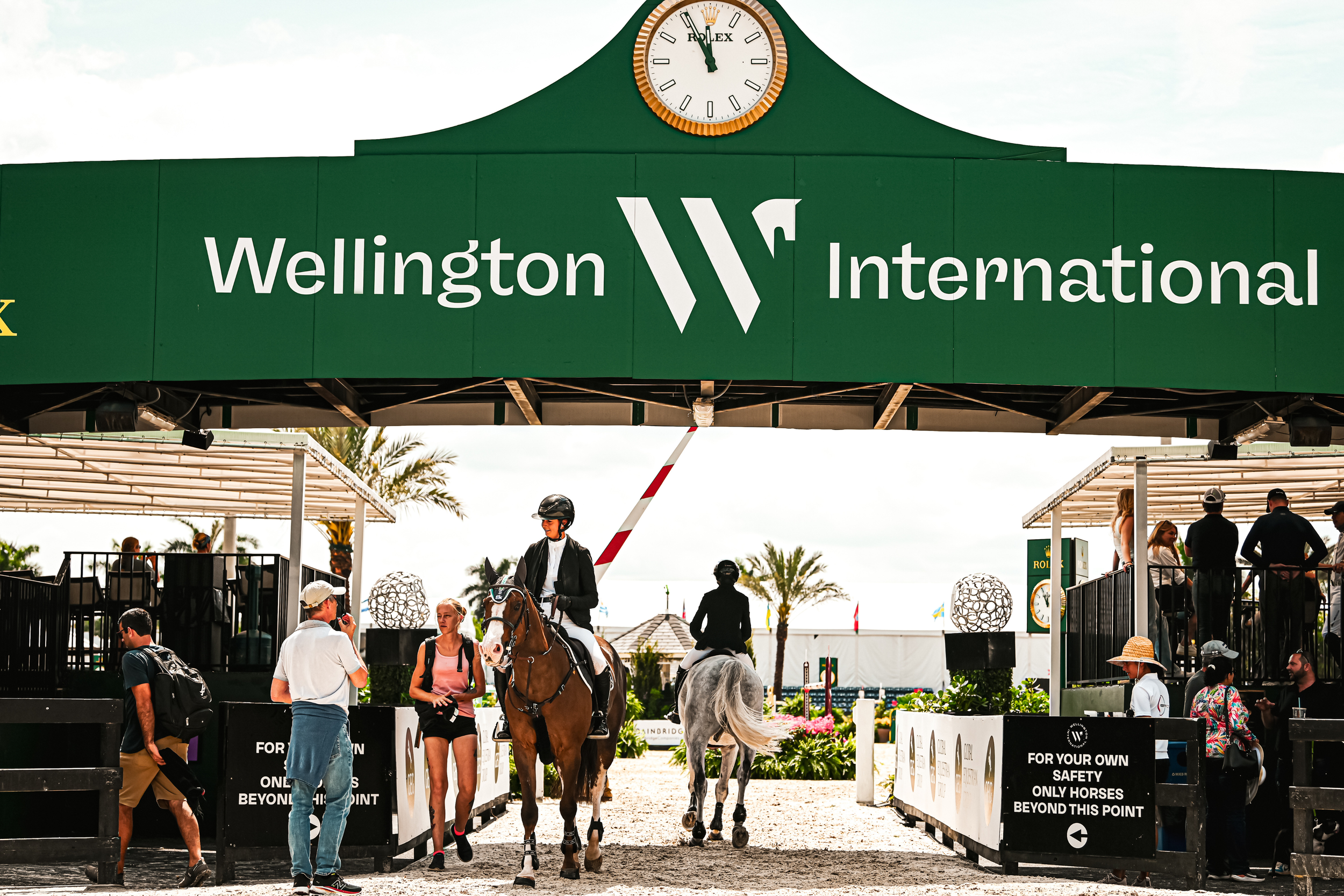
The equine sector delivers substantial economic value in terms of output, employment, and support of ancillary services. In the United States, the most recent American Horse Council National Economic Impact Study reports a total economic impact of $177 billion, reflecting 2022 data and up from $122 billion in 2017. This reflects the industry’s broad ripple effect beyond the barn, as expenditures on horses benefit agriculture, tourism, transportation, veterinary services, feed and equipment manufacturers, and more. The same study links the U.S. industry to approximately 2.2 million jobs across direct and secondary employment categories, an increase from roughly 1.7 million jobs in 2017.
Similarly, in Canada, Equestrian Canada’s most recent socio-economic report, released in 2023 and based on 2022 data, indicates that the sector provided approximately 71,000 full-time equivalent jobs and contributed $894 million in provincial and federal taxes. Canada’s GDP contribution from equine activities is estimated at $8.7 billion annually, underlining that it is not only a sport and recreation pastime but also a significant agricultural and service industry. Canadians spend over $8.3 billion per year on horse care and keeping alone, supporting rural economies through feed, tack, facility maintenance, and related services.
Across North America, the racing industry is a major economic engine within the sector. In the U.S., wagering remains a critical revenue engine for racing, but recent totals indicate ongoing softness in the U.S. market. Full-year wagering was approximately $11.266 billion in 2024, declining to approximately $11.029 billion in 2025. This matters commercially because handle trends influence purses, sponsorship confidence, media valuations, and the overall economics that support breeding and ownership investment.
Major racing events also spur tourism and media revenue. In South America, the equine sector similarly plays an important economic role. Brazil’s equestrian sector is valued at over R$30 billion annually (approximately $5.5–6 billion USD) and employs more than 3 million people across breeding, training, farm labor, racing, and other activities. Argentina, renowned for polo and thoroughbred breeding, derives significant export income from horse sales and sustains thousands of jobs on stud farms and racecourses. Argentina’s Stud Book reporting indicates 5,786 foals born in 2024, reflecting a continued contraction versus prior decades. Beyond direct employment, ancillary services flourish around the horse industry: veterinarians, farriers, feed and supplement companies, riding apparel and equipment retailers, transportation and logistics providers (horse transport by road and air), and event management companies all contribute to GDP. Many of these are small businesses that collectively create a sizable economic footprint. Moreover, equine activities help preserve green space and farmland; large show venues and racetracks act as economic anchors in their communities (often supporting hotels, restaurants, and local vendors during events). In summary, the horse industry’s economic impact since 2019 has been robust – contributing billions in North and South America – and is poised to grow further by 2030 as investment and participation in equestrian pursuits expand.
Breeding and Sales Dynamics
Breeding and sales form the commercial backbone of the equine industry, supplying horses for each discipline and driving significant financial activity through auctions and private transactions. Top breeds by discipline illustrate the specialisation in the market. In horse racing, the Thoroughbred is dominant for flat racing worldwide (with the U.S., Canada, and Argentina all maintaining large Thoroughbred breeding operations), while Quarter Horses are prominent in North America for quarter-horse racing and rodeo speed events. For FEI disciplines, European warmblood breeds (such as the Dutch Warmblood, Hanoverian, Belgian Warmblood, etc.) lead in jumping and dressage, thanks to their purpose-bred athleticism. Many elite sport horses in North America are imported or bred from European bloodlines. In eventing, a mix of Thoroughbred (valued for speed/endurance) and Warmblood is common. The Hunter/Jumper circuit in the U.S. and Canada also relies heavily on Warmbloods and Thoroughbred crosses, selected for jumping style and temperament. Polo ponies, in contrast, are often purpose-bred crosses, often crossing Thoroughbred with local Criollo or other breeds in Argentina and the U.S. Argentina has become a global supplier of high-quality polo horses due to its successful breeding programs. Outside the sport of polo, there are regional favorite breeds that add diversity. For example, the Mangalarga Marchador in Brazil (a gaited breed) is extremely popular, comprising about 31% of the Brazilian horse herd and used for sport and leisure, while the hardy Criollo is the workhorse of the Argentine and Uruguayan ranching culture.
Pricing trends since 2019 have generally been on the upswing, especially for quality horses. The market for racehorses has seen record-breaking sales averages in North America. The Keeneland September Yearling Sale remains a key barometer of North American bloodstock demand. After grossing approximately $412 million in 2022, the sale sustained momentum in subsequent years, reaching roughly $411.75 million in 2024 and rising to approximately $531.5 million in 2025, marking the highest grossing edition in its history. These figures underscore continued liquidity at the top end of the Thoroughbred market, even as broader wagering totals fluctuate. In Europe, the sport horse market remains highly stratified, with pricing determined by pedigree, performance data, and proximity to elite competition. While younger prospects and developing horses trade across a wide range of values, proven or highly commercial bloodlines continue to command strong six-figure valuations at major auctions and private sales. Premium events such as the PSI and Hof Kasselmann sales illustrate the depth of buyer demand for performance-driven breeding programs. For a deeper breakdown of European breeding economics, export flows, and studbook positioning, see our European Horse Industry Market Report. Pandemic-related dynamics also drove up pleasure horse prices, and in many markets, prices have stabilized at structurally higher levels rather than returning to pre-2020 baselines. In South America, Argentina’s export data show rising values: Although export volumes fluctuate year to year, Argentina remains positioned as a premium supplier of polo ponies and racing bloodstock within targeted international markets. Export values vary significantly depending on discipline and performance level, with racing prospects and elite polo horses commanding materially higher valuations than the broader trade in leisure or utility horses. Rather than reflecting mass-volume trade, Argentina’s export profile is best understood as a specialised, performance-driven segment within the global equine marketplace.
Export and import activity is truly global in scope. North America regularly imports European sport horses for jumping, dressage, and eventing competitions, integrating bloodlines and bringing in proven competitors for high-end shows. The U.S. and Canada also import breeding stallions or semen/embryos to improve domestic stock across breeds (for instance, top European warmblood stallions have North American breeding seasons). South America, particularly Argentina, has built a strong export industry: In 2018 Argentina exported 2,702 horses valued at $35.5 million, with polo horses accounting for nearly 75% of those exports. The primary destinations for Argentina’s horses include the United States (the largest importer of Argentine horses), Europe (especially the UK), and the Middle East, demonstrating the international demand for Argentine bloodstock in polo and racing. Brazil and Chile also export horses (e.g., Brazilian Arabian horses for endurance, Chilean racehorses to Peru, etc.), though on a smaller scale. Intra-regional trade is vibrant as well – for example, many top racing Thoroughbreds from Argentina and Brazil compete in U.S. or Dubai races, and conversely, North American stallions are shuttled south for the Southern Hemisphere breeding season. Major sales events serve as bellwethers for the market: The Keeneland September Yearling Sale (Kentucky) and Fasig-Tipton sales are key fixtures for Thoroughbred traders worldwide, while the Ocala Breeders’ Sales in Florida drive the 2-year-old racehorse market. In the sport horse realm, auctions such as the Dutch Sport Horse Sales and sales during the Winter Equestrian Festival cater to jumper and hunter buyers from the Americas. South America’s notable sales include the auction of polo ponies during the Argentine Open in Palermo, where international players scout for prospects. Additionally, new technology is influencing breeding and sales through the continued advancement of reproductive techniques. Amongst these practises is gene-editing, which is now a commercial and regulatory risk factor, not just a scientific headline. As performance breeding pushes into new territory, sport and racing authorities are investing in integrity frameworks designed to detect and deter prohibited genetic interventions. For breeders, owners, and investors, the takeaway is practical: market value increasingly depends not only on pedigree and performance potential, but also on eligibility, traceability, and the ability to meet tightening integrity standards across jurisdictions. Argentina has always been a strong player when it comes to reproductive technology, and recently announced the world’s first CRISPR gene-edited horses aimed at enhancing speed and muscle growth, foreshadowing how breeding for performance may evolve by 2030 (albeit raising regulatory and ethical questions). Overall, the breeding and sales dynamic across the Americas is characterised by active trade, specialisation by discipline, and a willingness to invest in quality bloodstock, which together sustain the pipeline of horses fuelling the industry’s growth.
Challenges and Opportunities
Despite its strengths, the equine industry faces a range of challenges that stakeholders must navigate, as well as promising opportunities for innovation and expansion. A primary challenge is the high cost and time commitment of horse ownership and competition. From riding lessons to show fees and horse care, expenses add up and can deter newcomers. Surveys in Canada confirm that the cost and time required are significant barriers to entry for many would-be participants. Feed is one of the most sensitive cost drivers in Canadian horse ownership economics, and forage pricing volatility remains a major planning variable for barns and riding schools. Statistics Canada’s farm price survey framework includes biannual tame hay and straw price collection, while provincial market reporting provides practical, near-real-time benchmarks used by producers and buyers. The 2025 provincial hay price tables reported average hay prices in the mid-$100s per ton range in some weeks, with meaningful variation by region and quality grade. Commercially, these swings affect boarding rates, lesson pricing, and the operating margin of facilities, especially when higher forage costs coincide with labor constraints and elevated veterinary expenses.
The industry also struggles with labor shortages and expertise gaps: Riding schools, farms, and racing stables often find it difficult to recruit and retain skilled grooms, instructors, farriers, and barn staff. As older professionals retire, fewer young workers are replacing them, partly due to wages and the demanding nature of the work. Additionally, access to suitable land and facilities is a constraint, especially near urban centers, as equine activities require a large land base, which is increasingly costly or scarce with urbanisation. Regulatory classifications can complicate this (e.g., in some areas horse farms aren’t recognised as agriculture, limiting tax benefits).
Another challenge gaining prominence is the industry’s social license to operate, which ties to the public trust and acceptance of horse sports. High-profile incidents (such as racehorse injuries, doping scandals, or welfare concerns in disciplines like eventing) have put scrutiny on equine welfare. Surveys indicate that industry participants are concerned about public perceptions of equine welfare and the need to maintain trust. This has led to stricter regulations. In North American racing, integrity and welfare oversight continued to centralize under the Horseracing Integrity and Safety Authority. HISA’s 2024 annual metrics report reported substantial improvements in safety indicators, including a marked reduction in racing-related fatality rates compared with earlier years, reinforcing the direction of travel toward standardized, data-backed regulation. The FEI has established an Equine Ethics and Wellbeing Commission, aimed at assuring the public that horse welfare comes first. Disease outbreaks and biosecurity pose additional risks: the globalised nature of horse sport means horses are shipped internationally, raising the stakes for containing diseases like EHV-1 or equine influenza. Peer-reviewed reporting from 2025 highlights the real-world operational impact of outbreaks in the Americas, including documented facility-level incidents that required rapid quarantine and strict biosecurity controls. These cases reinforce why compliance gaps can translate directly into event disruption and financial loss. Yet many in the industry do not fully comply with best biosecurity practices, making outbreaks a persistent threat that can shut down events and trade. The COVID-19 pandemic itself was a massive logistical challenge, and lockdowns in 2020 led to widespread cancellation of equine shows and competitions, disrupted training schedules, and financial strain on equine businesses. Travel restrictions also curtailed the usual flow of international competitors and buyers. However, a surprising silver lining emerged: In some regions, more locals turned to horses for recreation during the pandemic, partially offsetting losses. The pandemic highlighted the need for resilience and adaptability, as well as the value of local participants to sustain the industry when global access is limited.
On the opportunities side, the challenges above have spurred creative responses and opened new avenues for growth. One key opportunity is to broaden the industry’s base by improving accessibility and diversity. Initiatives to subsidise youth riding, pony club activities, and entry-level competitions can help lower the cost barrier and attract new riders. Emphasising inclusion – making lessons and clubs welcoming to people of all backgrounds – can unlock a wider demographic (a Canadian study suggests prioritising youth and diversity to make equine activities more welcoming and ensure sustainability ). There is also room to enhance grassroots competition circuits and non-elite offerings, so that casual riders stay engaged for life even if they don’t reach elite sport. Another opportunity lies in strengthening labor force pipelines: For example, equine studies programs and vocational training can be expanded to produce the next generation of trainers, vets, and farm managers. Improving job conditions and recognising equine work as a skilled trade could make it more attractive.
Technology presents numerous opportunities to tackle logistical and economic hurdles. The rise of virtual training and education platforms means riders and coaches can connect remotely – a trend accelerated by the pandemic – potentially reducing costs for training and expanding access to expert knowledge worldwide. Data analytics and digital tools are being adopted to increase operational efficiency; for instance, stable management apps, online booking systems for lessons, and health monitoring wearables for horses can streamline what used to be labor-intensive tasks. Embracing these tools can mitigate some labor shortages and improve care (e.g., sensors that alert owners to early signs of lameness or illness). E-commerce and online marketplaces have also grown, allowing breeders and sellers in remote parts of South America or Canada to reach buyers internationally without the need for as many intermediaries.
Additionally, public interest in outdoor and animal-related activities post-COVID is an opportunity for the equine industry to market itself as a healthy, family-friendly pursuit. More people are seeking outdoor leisure, and riding clubs can capitalise on this trend by offering beginner-friendly programs, trail riding experiences, and equine-assisted therapy. The therapeutic and wellness side of the industry – such as equine-assisted therapy for mental health or disabilities – is gaining recognition and could see more support and funding, integrating horses into healthcare and community programs. Finally, the pressing challenge of climate change and sustainability, while a threat (with impacts like feed supply issues and extreme weather) , is also prompting the industry to innovate. There are opportunities in developing climate-resilient practices: e.g., growing alternative feed crops, designing competition schedules to avoid heat stress periods, and investing in indoor or covered arenas for all-weather training. Some farms are adopting solar energy and sustainable waste management (manure composting) as part of a green initiative, potentially reducing costs long-term and appealing to eco-conscious consumers. In summary, while the equine sector must contend with cost barriers, labor and welfare concerns, and external shocks, it has significant opportunities to evolve – through inclusivity, technology, and adaptive practices – ensuring growth and vitality in the coming decade.
Future Trend Projections (Through 2030)
Looking ahead to 2030, several macro-trends are expected to shape the equine industry in the Americas, driven by shifting demographics, technological advancements, environmental factors, and changing investment patterns. Demographically, the industry may undergo a generational transition. Many current horse owners and club organisers are middle-aged or older; as they retire, the focus is on attracting younger participants. By 2030, we anticipate more youth and young adults engaging in equestrian sport, partly through outreach and more affordable entry points. Riding may also see growth among urban dwellers through riding academies and school programs, countering the decline of horse exposure in everyday life. The gender makeup (traditionally, women form a majority in amateur equestrian activities) will likely remain female-heavy in English disciplines and more balanced in Western and racing segments, but increasing female representation in formerly male-dominated areas (e.g., more female jockeys and polo players emerging) could be notable. The industry is also eyeing new markets and fanbases. For example, equestrian sports might gain traction in countries or communities where it was previously niche, thanks to social media and Olympic visibility. LA28 is a meaningful commercial moment for the North American equestrian market because it concentrates media attention, sponsor appetite, and federation-led participation initiatives in a single cycle. The confirmation of a dedicated venue plan for 2028 strengthens the platform for storytelling, fan acquisition, and brand entry into the sport, particularly across jumping, dressage, and eventing pathways that benefit from Olympic visibility. For equestrian businesses, LA28 is not just a sporting milestone, but a marketing timeline that can support growth in grassroots participation, premium consumer spending, and corporate sponsorship interest through 2028.

Technology adoption will be a defining factor of the 2020s. The coming years should see advanced analytics and AI-driven tools deeply integrated into horse management. This includes everything from AI-guided training programs, using data from heart rate monitors and jump sensors to optimise a horse’s workout regime, to predictive health analytics that can foresee injury risk. Veterinary demand signals continued growth in equine healthcare spend through the decade, supported by broader animal health market expansion and sustained investment in R&D and product innovation by the world’s largest animal health companies. Recent reporting shows multi-billion-dollar scale across the sector, including full-year 2025 revenue of approximately $9.5 billion for a leading global animal health company, animal health net sales of €4.749 billion in 2024 for another major multinational, and full-year 2025 revenue of approximately $4.715 billion for a third global player. For the equine segment, this matters commercially because the industry’s growth is increasingly shaped by preventive care adoption, diagnostics, specialty therapeutics, and premium insurance-supported treatment pathways rather than basic care alone.
We may also see gene-editing and cloning technologies tested on a wider scale. Argentina’s breakthrough with CRISPR-edited horses in 2024 suggests that by 2030, breeders will be deliberating the ethics and competitive implications of gene-edited equine athletes. Though strict regulations (prohibitions on gene-doped racehorses, etc.) are likely to remain, the mere possibility could change how top breeding programs plan for the future. On the sporting side, broadcast and fan engagement tech will advance: Expect immersive viewing experiences such as rider’s-eye cameras, virtual reality replays, and sophisticated data overlays during broadcasts (jump-off times, horse biometric data) to make events more appealing to a digital audience. Online betting on horse races will continue to modernise, and by 2030, real-time betting apps and perhaps blockchain-verified race wagering could become mainstream, bringing younger tech-savvy fans into racing. Even eSports and gaming might play a role; equestrian-themed video games or simulations (for training or entertainment) could garner modest followings, indirectly boosting interest in real horse sports.
Climate impact and environmental trends will increasingly influence how and where equine activities take place. As we progress toward 2030, climate models predict more frequent extreme weather events, including heatwaves, wildfires, and storms. Wildfire disruption is no longer a hypothetical seasonal risk. Smoke events and degraded air quality have directly affected equestrian operations by forcing show-day suspensions, cancelations, and schedule reshuffles, while also increasing respiratory management costs and insurance complexity for horses in training. Commercially, the knock-on effects are immediate: lost entry revenue, reduced vendor turnover, higher refund exposure, and additional costs for stabling, transport changes, and veterinary oversight. For competition organizers and facilities, wildfire season now functions as a material operational risk that must be managed with contingency scheduling, air-quality thresholds, and clearer stakeholder communications.
We foresee adjustments such as shifting competition seasons, with, for example, more high-level competitions in cooler months or at night to avoid midday heat, and improved venue infrastructure (indoor arenas with climate control, misting systems, etc.). There will also be stricter welfare guidelines for competing in extreme conditions. The industry will likely put more emphasis on sustainable practices by 2030: Farms may adopt drought-resistant forage crops, and there will be pressure to reduce the carbon footprint of large events (perhaps by optimising international horse transport logistics or using renewable energy at venues). Horse breeding might also be affected by climate – regions with traditionally large breeding populations might face pasture shortages, leading to innovations like hydroponic feed production or relocation of some breeding operations to more temperate areas. In terms of investment patterns, the equine world is poised to both capitalise on and adapt to economic currents. With growing wealth in certain emerging markets, we might see new investors and sponsors from outside the traditional horse world. For example, tech entrepreneurs or investment funds could become owners of major racing stables or jumping teams, bringing fresh capital and ideas (much like how Silicon Valley and Middle Eastern investors have entered the Thoroughbred racing scene in the 2010s). Corporate sponsorship in equestrian sports is also likely to broaden beyond luxury goods and equine brands. By 2030, we may see more tech, automotive, or lifestyle brands sponsoring events if they perceive an ROI in reaching the affluent equestrian audience.
Another trend is the professionalisation and league formation in equestrian sports. Inspired by the success of ventures like the Global Champions League and Major League Showjumping, more structured league competitions could emerge, making the sport more spectator-friendly and TV-friendly. This could attract media rights deals that inject money into the sport, which in turn affects how riders and horse owners invest (e.g., prize money increases, team franchise models, and so on). Meanwhile, horse racing is at a crossroads with its fan base ageing; by 2030 the industry will likely implement more aggressive fan engagement strategies, such as interactive wagering platforms, collaborations with online gaming, or even embracing virtual horse racing simulations, to stay relevant. Equine welfare and safety innovations will also be a priority: Expect improved safety equipment (for riders and horses), better racing surfaces, and data-driven training adjustments to reduce injuries. All these changes aim to secure the industry’s longevity. In summary, by 2030 the equine industry in the Americas will be more tech-enabled, possibly leaner and more efficient, and hopefully more inclusive. It will need to balance tradition with innovation – keeping the timeless appeal of horse sports while meeting the standards of modern audiences and regulators. Those businesses and organisations that adapt to these trends (through strategic investment in technology, embracing sustainable practices, and creative marketing) are likely to thrive the most in the next decade.
Expansion Opportunities
For equine industry business owners and marketers, the evolving landscape presents numerous expansion opportunities – from untapped markets and sponsorship niches to new ways of engaging the horse-loving audience. A first area of opportunity is identifying underserved segments and regions. In North America, for example, the recreational riding segment is large but relatively fragmented; a savvy marketing agency could create a platform or community that unites casual riders (who trail ride or partake in local fun shows) and connects them with brands offering suitable products and services. Similarly, in South America, markets like recreational riding and breed-specific enthusiasts, such as the large base of Marchador breeders in Brazil, are sometimes overlooked by international companies. Developing content and campaigns tailored to these groups, in their language and cultural context, would unlock brand loyalty in regions where competitors have little presence. There are also emerging disciplines and lifestyle trends that represent untapped markets. For instance, Western performance events (reining, barrel racing, cowboy mounted shooting, etc.) are growing in popularity in Brazil and Argentina, beyond their traditional U.S. stronghold. Companies that typically sponsor only English disciplines might find first-mover advantage by supporting these Western riders or events in Latin America, capturing a new audience.
Sponsorship potential in equestrian sports is ripe for growth, especially if armed with the right data. Historically, sponsorship in horse sports skewed towards horse-related brands (feed companies, saddlers) or luxury goods. Going forward, equine events can broaden sponsor appeal by showcasing their demographics and reach. For example, a major jumping competition that attracts a high percentage of young riders and families is a great fit for companies targeting youth or sport enthusiasts – and by presenting data on audience age, income, and engagement, organisers can secure non-traditional sponsors. Marketing agencies can help event organisers assemble these data-driven sponsorship decks, highlighting social media impressions, livestream viewership stats, and on-site attendance figures to quantify the exposure a sponsor would get. There is evidence that such an approach works: For instance, when shows share that they have, say, strong social media engagement year-round (perhaps through behind-the-scenes content that keeps fans invested between events), it mirrors strategies used by Formula 1 and others to entice sponsors. We’re already seeing tech firms and financial services dipping their toes into sponsoring show circuits and racing carnivals – a trend that should accelerate if the industry actively courts them.
Additionally, underserved disciplines like eventing or para-equestrian represent sponsorship whitespace. These disciplines have dedicated followings and respectable international championships, but far fewer sponsors than jumping or racing. A forward-thinking brand could become synonymous with, for example, the South American Eventing Championships or a national para-dressage league, garnering goodwill and visibility in a less crowded sponsorship field.

From a content and brand engagement standpoint, the equine industry offers rich storytelling potential that can be leveraged much more. Business owners can partner with marketing experts to create content that resonates with the passionate equestrian audience, turning followers into customers. Social media is a powerful tool here: Riders, trainers, and clubs that share authentic, behind-the-scenes glimpses often see a spike in fan interest and even ticket sales for events. For example, a riding club could produce a YouTube series following a group of Pony Club kids preparing for a big competition. This not only promotes the club and its sponsors, but also humanises the sport for viewers. Engaging storytelling can transform one-time spectators into loyal fans by connecting them emotionally to the horses and riders. Marketers should encourage equine businesses to emulate successful tactics from mainstream sports: Robust year-round social media engagement, interactive content (quizzes, polls during live streams), and influencer collaborations. Many top riders today have substantial Instagram and TikTok followings; aligning a brand with these influencers can reach tens of thousands of horse enthusiasts. A saddle or feed company, for instance, might sponsor “ride-along” video content with a famous jumper, subtly showcasing their product in use while providing entertainment/education to viewers.
Furthermore, the industry can explore cross-promotional and experiential marketing. Horse racing venues have started adding concerts and food festivals on race days to draw new crowds; similarly, show circuits could partner with travel agencies to offer “equestrian vacation” packages (e.g., come watch a big competition and also enjoy local riding or tourism). There is also sponsorship potential in the rising world of equine-assisted therapy and education – corporations with strong CSR (Corporate Social Responsibility) goals might support programs that use horses for therapy, thereby accessing a narrative of community impact and compassion. An insurance or banking firm might find that sponsoring a therapeutic riding center or a scholastic riding championship aligns with their brand values and introduces them to the equestrian community in a positive way. Marketing agencies can pinpoint these less obvious opportunities and craft the messaging so that it feels authentic rather than purely commercial.
Finally, digital platforms and analytics themselves are an area for expansion. Equestrian businesses have historically lagged in digital marketing, so adopting CRM systems, targeted ads, and analytics to understand customer behavior can give a competitive edge. For example, analysing which blog posts or videos get the most engagement can inform a content strategy (maybe fans love behind-the-scenes stable vlogs more than competition replays). With the help of data, a horse show organisers might discover that posting course walk insights two days before the event drives ticket pre-sales, allowing them to optimise their marketing spend. In sponsorship pitches, presenting concrete data of audience reach and profile turns proposals into “compelling business opportunities” for sponsors rather than just branding exercises. As the equine industry modernises, those who leverage data-driven marketing and foster genuine connections with their audience will capture market share. In essence, the next few years offer a chance to bring the equestrian world’s unique appeal to broader audiences and brand partners, with smart marketing acting as the bridge between tradition and new growth avenues.

The equine industry in Canada, North America, and South America is a dynamic, multifaceted market that has demonstrated resilience and growth from 2019 to the present. We’ve seen that this sector is not only culturally and recreationally significant but also an economic heavyweight – contributing billions to GDP, providing millions of jobs, and supporting extensive ancillary industries. Key segments from grassroots pony clubs and riding schools up through elite FEI sports and the spectacle of horse racing all play a role in this ecosystem. Since 2019, the industry has navigated challenges such as the COVID-19 pandemic’s disruptions, rising costs, and heightened public scrutiny regarding welfare. Importantly, it has adapted by boosting local participation, embracing technology, and doubling down on the care and safety of its equine athletes. Going forward, projections through 2030 indicate a promising yet changing horizon: We anticipate deeper integration of technology (from AI in training to advanced veterinary care), efforts to engage a new generation of participants and fans, and an ongoing commitment to sustainability and horse welfare in response to climate and social pressures.
For business owners and professionals within the equine world, several key takeaways emerge. First, diversification and data are critical – whether it’s understanding shifting demographics or leveraging marketing analytics, being informed will guide better decision-making and reveal new opportunities (such as untapped regional markets or sponsor interests). Second, investing in community and youth is investing in the industry’s future; programs that reduce entry barriers and promote diversity will help sustain participation levels in years to come . Third, embracing innovation can yield significant benefits: those who adopt new technologies or business models early (like digital training platforms, e-commerce, or novel event formats) stand to gain a competitive edge as these trends become mainstream by 2030. Meanwhile, the timeless appeal of horses – the passion they inspire – remains the industry’s strongest asset. Storytelling, authenticity, and engagement are as important as ever for marketing and brand-building, and they present a way to differentiate equine businesses in a crowded entertainment market.
In conclusion, the equine industry of the Americas is poised for thoughtful growth. Its full scope, from a child’s first pony ride to the thrill of a Triple Crown race, offers a rich tapestry of opportunities for those willing to adapt and innovate. By balancing tradition with modern strategies, focusing on welfare and inclusion, and reaching out to new partners and audiences, equine businesses and organisations can not only thrive themselves but also elevate the entire industry. The period up to 2030 looks bright for a more connected, sustainable, and vibrant horse industry – one that honors its heritage while galloping confidently into the future.
Continue Exploring Industry Insights


-
Allied Market Research. Equine Healthcare Market Size and Revenue Forecast 2030.
American Association of Equine Practitioners (AAEP). Biosecurity Guidelines for Equine Events (2022).
American Horse Council. 2017 National Economic Impact Study of the U.S. Horse Industry.
American Horse Council. 2023 National Economic Impact Study of the U.S. Horse Industry.
American Quarter Horse Association (AQHA). AQHA Annual Report (2024).
American Veterinary Medical Association (AVMA). Biosecurity: Best Practices for Disease Prevention.
Argentina, Ministerio de Economía, Secretaría de Agricultura, Ganadería y Pesca. Informe Exportaciones Equinas 2024 (2025).
British Eventing. British Eventing 2025 Participation Report: Rider Commitment and Retention at a 12-Year High (2025).
Canadian Agricultural Human Resource Council. The State of Women in Agriculture: Needs Analysis (2015).
Canadian Horse Council. Canadian Equine Industry Profile.
Deloitte. 2024 Sports Industry Outlook (2024).
Deloitte. The Future of Sport 2024: Seizing the Moment (2024).
Deloitte. Future of Fan Engagement in Sports.
Equestrian Canada. The Canadian Equine Sector: Socio-Economic Insights (2023).
Equestrian Canada. Socio-Economic Impact Assessment of the Canadian Equine Sector: Supplementary Information (2023).
Equine Canada. 2010 Canadian Equine Industry Profile Study: The State of the Industry (2011).
Equine Disease Communication Center. Biosecurity Resources and Best Practices.
Fasig-Tipton. 2025 December Digital Sale Results (2025).
Fédération Équestre Internationale (FEI). FEI Annual Report 2024 (2025).
Fédération Équestre Internationale (FEI). Equine Ethics and Wellbeing Commission. A Good Life for Horses.
Fédération Équestre Internationale (FEI). FEI Sports Forum 2024: Session Documents (Equine Ethics and Wellbeing Commission report discussion) (2024).
Horse Sport Ireland. 2025 Foal Passport Figures for Horse Source Applications (2025).
Horse Sport Ireland. Premium Retention Scheme 2025: Applicant Terms and Conditions (2025).
International Federation of Horseracing Authorities (IFHA). IFHA Racing Statistics.
Keeneland. Keeneland September Concludes with Record $531.5 Million in Sales (2025).
Longines Global Champions Tour. Official Magazine: Longines Global Champions Tour Madrid 2024 (2024).
Mordor Intelligence. Equine Healthcare Market: Size and Share Outlook to 2030 (2025).
Nielsen. Tops of 2024: Sports (2024).
Nielsen. Nielsen Reveals Exclusive New Data and Insights in Annual “Tops of Sports” Report (2025).
Nielsen Sports. Fan Insights.
Statistics Canada. 2025 Biannual Tame Hay and Straw Prices Survey: Ontario (2025).
Statistics Canada. Farm Product Prices Survey (FPPS): Detailed Information for January 2025 (2025).
Servicio Nacional de Sanidad y Calidad Agroalimentaria (SENASA). Equinos Exportación/Importación (series).
SportBusiness. Global Value of Sports Media Rights Tops $60bn (2024).
The Jockey Club. The 2024 Breeding Statistics Are Available (2024).
The Jockey Club. The Jockey Club Releases 2024 Breeding Statistics and 2025 Live Foal Statistics (2025).
United States Equestrian Federation (US Equestrian). 2024 USEF Audited Financials: Year Ended November 30, 2024 (2025).
United States Equestrian Federation (US Equestrian). Best Practices (2025).
United States Equestrian Federation (US Equestrian). 2025 USEF Annual Report (2025).
United States Eventing Association (USEA). 2024 Audited Financials for USEA Members (2024).
United States Hunter Jumper Association (USHJA). Join/Renew (Membership Information).
World Horse Welfare. Annual Survey Into the Public Acceptance of Horse Sport (2025).